Understanding Bike Brakes: Why Proper Adjustment Matters in 2026
The Role of Tight Brakes in Safety and Performance
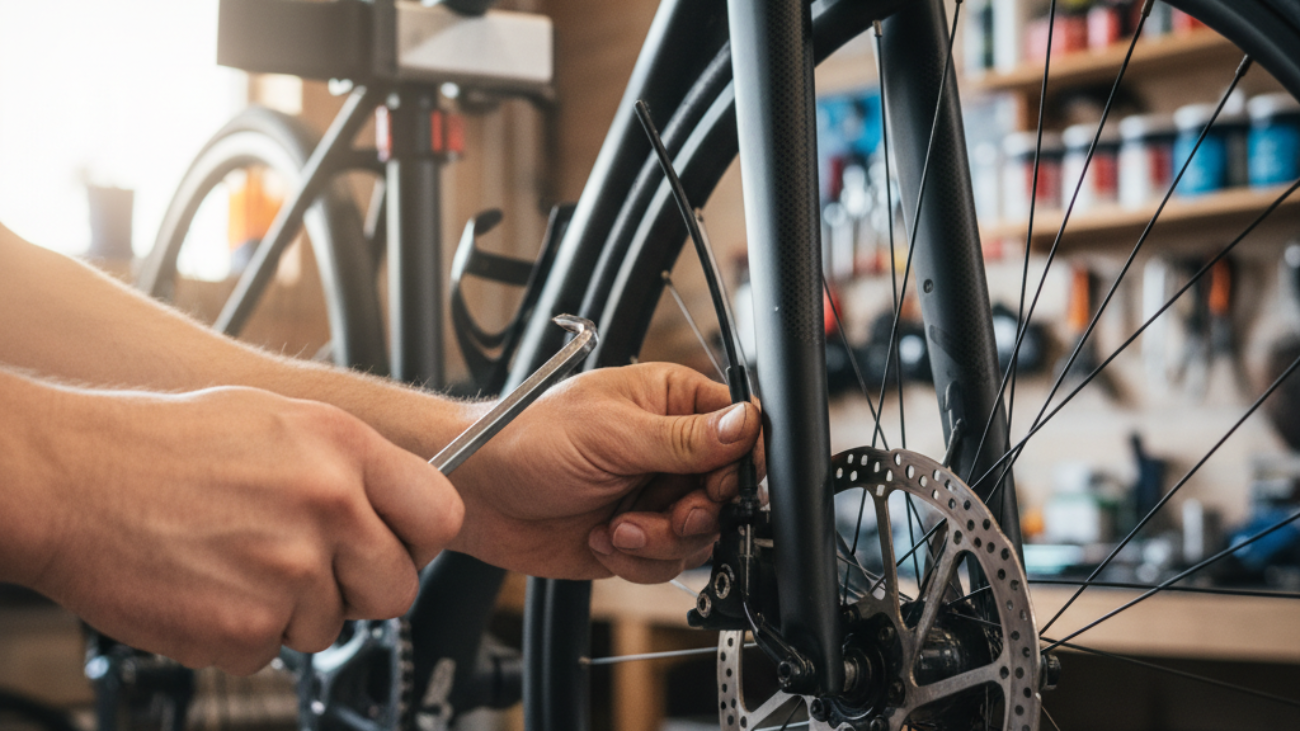
Bike brakes are critical for your safety and control. If your brakes are too loose, it takes longer to stop, which can be dangerous. If they are too tight, they might rub on the wheels and slow you down. Learning how to tighten bike brakes correctly keeps your rides smooth and safe.
Overview of Modern Bike Brake Types
There are three main kinds of bike brakes today: rim brakes (like V-brakes and caliper brakes), mechanical disc brakes, and hydraulic disc brakes. Each has a different method to tighten and adjust, but all need regular checks for best performance.
Tools You’ll Need to Tighten Bike Brakes
Essential Tools for Rim, Disc, and Hydraulic Brakes
- Allen wrenches (usually 4mm or 5mm)
- Phillips screwdriver
- Needle-nose pliers
- Bike-specific cable cutters
- Bike repair stand (helpful, but optional)
Optional Tools for Precision Adjustments
- Torque wrench
- Pad spacing tool (for disc brakes)
- Hydraulic brake bleed kit (for hydraulic brakes)
How to Tighten Rim Brakes (V-Brake & Caliper)
Identifying Your Rim Brake Type
Rim brakes squeeze the wheel rim to slow you down. V-brakes have long arms and a rubber pad that presses on the rim. Caliper brakes have a single bolt above the tire and squeeze both pads together. Check your bike to find out which you have.
Step 1 – Quick Fix Using the Barrel Adjuster
Most bikes have a barrel adjuster on the brake lever or where the cable enters the brake. Turn the barrel adjuster counterclockwise to tighten bike brakes quickly. This moves the pads closer to the rim.
Step 2 – Adjusting the Cable Tension
- Loosen the cable anchor bolt on the brake arm with an Allen wrench.
- Pull the brake cable through with pliers until the pads sit about 1-2mm from the rim.
- Tighten the anchor bolt to hold the cable in place.
Step 3 – Centering and Aligning Brake Pads
- Squeeze the brake lever and check if both pads hit the rim at the same time.
- If not, use a Phillips screwdriver to adjust the small screws on the brake arms until the pads are centered.
- Make sure pads don’t touch the tire or stick out below the rim.
Step 4 – Final Testing and Safety Check
- Spin your wheel. The pads should not rub when the brake isn’t applied.
- Squeeze the lever hard to make sure the wheel stops quickly.
- Check for any loose bolts and tighten if needed.
Rim Brake Troubleshooting Matrix
| Problem | Possible Cause | Solution |
|---|---|---|
| Brakes feel loose | Cable is stretched | Repeat cable tension step |
| Brakes rub the rim | Pads not centered | Adjust centering screws |
| Pads hit tire | Pad position off | Reposition brake pads |
How to Tighten Mechanical Disc Brakes
Key Differences from Rim Brakes
Mechanical disc brakes use a cable to pull calipers onto a steel rotor attached to the wheel hub. They work in wet or muddy conditions and are stronger than rim brakes, but adjustment is different.
Step 1 – Adjusting the Barrel Adjuster
Turn the barrel adjuster on your brake lever or caliper counterclockwise to tighten bike brakes fast. This increases cable tension and moves the pads closer to the rotor.
Step 2 – Resetting the Cable Clamp Bolt
- Loosen the clamp bolt at the caliper with an Allen wrench.
- Pull the cable tighter with pliers.
- Tighten the clamp bolt firmly.
Step 3 – Aligning and Centering Disc Calipers
- Loosen both caliper mounting bolts, so the caliper can move.
- Squeeze the brake lever and hold it tightly.
- While holding the lever, retighten the caliper bolts. This should center the caliper on the rotor.
Step 4 – Pad Adjustment and Caliper Testing
- If possible, adjust the fixed pad using the small dial on the caliper.
- Spin the wheel to make sure the rotor doesn’t rub on the pads.
- Squeeze the lever to check for strong, even braking.
Mechanical Disc Brake Troubleshooting
| Problem | Possible Cause | Solution |
|---|---|---|
| Brakes weak | Cable too loose | Tighten cable and adjust pads |
| Rotor rubs pads | Caliper misaligned | Realign caliper using bolts |
| Levers pull to bar | Air in system or stretch | Bleed if hydraulic, tighten cable if mechanical |
How to Tighten Hydraulic Disc Brakes (2026 Update)
How Hydraulic Systems Differ
Hydraulic brakes use fluid, not cables, to push the brake pads. They are powerful and easy to use, but adjustments are usually about lever reach and bleeding the system, not tightening a cable.
Step-by-Step Guide for Hydraulic Adjustments
- Check for leaks near the caliper and brake lever. If you see any, get help from a bike shop.
- Test the lever feel. If the lever pulls too close to the handlebar, it may need more fluid (bleeding).
- Adjust the pad spacing with an Allen wrench or the adjuster dial if your brake model has one.
Lever Reach and Bite Point Fine-Tuning
- Find the small reach screw on your brake lever.
- Turn it in or out to set the lever distance for your hand size.
- Some levers have “bite-point” adjustment to change when the pads touch the rotor. Adjust as needed.
When to Bleed Your Brakes (Signs and Steps)
- Your lever feels “spongy” or pulls to the handlebar.
- Brakes feel weaker than normal.
- If these signs appear, follow the manufacturer’s bleed instructions or have a shop do it.
Hydraulic Troubleshooting and Quick Fixes
| Problem | Possible Cause | Solution |
|---|---|---|
| Spongy lever | Air in fluid | Bleed the brake system |
| Lever pulls too far | Low brake fluid | Add fluid and bleed |
| Pads rub rotor | Pads misaligned | Recenter caliper |
Comparing Brake Types: Adjustment Ease, Performance & Maintenance
Visual Comparison Table: Rim vs. Mechanical Disc vs. Hydraulic Disc
| Feature | Rim Brakes | Mechanical Disc | Hydraulic Disc |
|---|---|---|---|
| Adjustment Ease | Easy | Moderate | Needs special tools |
| Stopping Power | Good (dry) | Very good | Excellent |
| Weather Performance | Poor (wet) | Good | Excellent |
| Maintenance | Low cost | Medium cost | High cost |
Best Practices for Each Brake Type
- Check cables for wear on rim and mechanical disc brakes.
- Monitor pad thickness and rotor condition on all disc brakes.
- Keep all brake parts clean for safer rides.
Pro Tips: Avoiding Common Adjustment Mistakes
Ensuring Even Pad Wear and Avoiding Rubbing
- Always check pad alignment after adjusting brakes.
- Rotate the wheel to listen for rubbing or scraping sounds.
Cable Fraying and Replacement Advice
- Trim any frayed cable ends after tightening to avoid snags.
- Replace cables if they look rusty or worn out.
Maintaining Brake Performance in Different Weather Conditions
- Clean brake pads and rims regularly, especially after rain or mud.
- Disc brakes work better in rain, but always dry off your bike after wet rides.
Maintenance Schedules and Advanced Troubleshooting (2026 Edition)
How Often Should You Tighten or Check Your Bike Brakes?
- Quickly check brakes before every ride.
- Do a full adjustment every 3-6 months, or sooner if you ride often.
Signs Your Brakes Need More Than Tightening
- Lever touches the handlebar
- Screeching or grinding noise
- Visible cracks or rust on cables and pads
Comprehensive Troubleshooting Chart
| Issue | Brake Type | Quick Solution |
|---|---|---|
| Poor braking | All | Check pads and cable or fluid |
| Rubbing noise | Rim/Disc | Recenter calipers or pads |
| Lever spongy | Hydraulic | Bleed the brakes |
Expert Insights: Upgrading and Maximizing Your Brakes in 2026
Latest Brake Technology Trends
In 2026, disc brakes are more reliable, lighter, and easier to adjust. Smart sensors help track pad wear and performance. Hydraulic disc brakes have become affordable and common, offering the best performance for all riders.
When to Consult a Professional
- If brakes don’t improve after adjustments
- When you see leaking fluid on hydraulic systems
- If you feel unsure about any repair step
Frequently Asked Questions About Tightening Bike Brakes (2026)
- How often should I tighten my bike brakes? – Check before every ride and adjust as needed.
- What do I do if my brakes still feel weak? – Check for worn pads, stretched cables, or air in hydraulic lines.
- Can I tighten hydraulic brakes like other types? – No, you need to adjust lever reach or bleed the system rather than tightening cables.
- Is it safe to ride with slightly rubbing brakes? – It’s not recommended. Adjust brakes so there is no constant rubbing.
- Why do my brakes squeak after tightening? – Pads may be dirty or misaligned. Clean and align them for quieter braking.