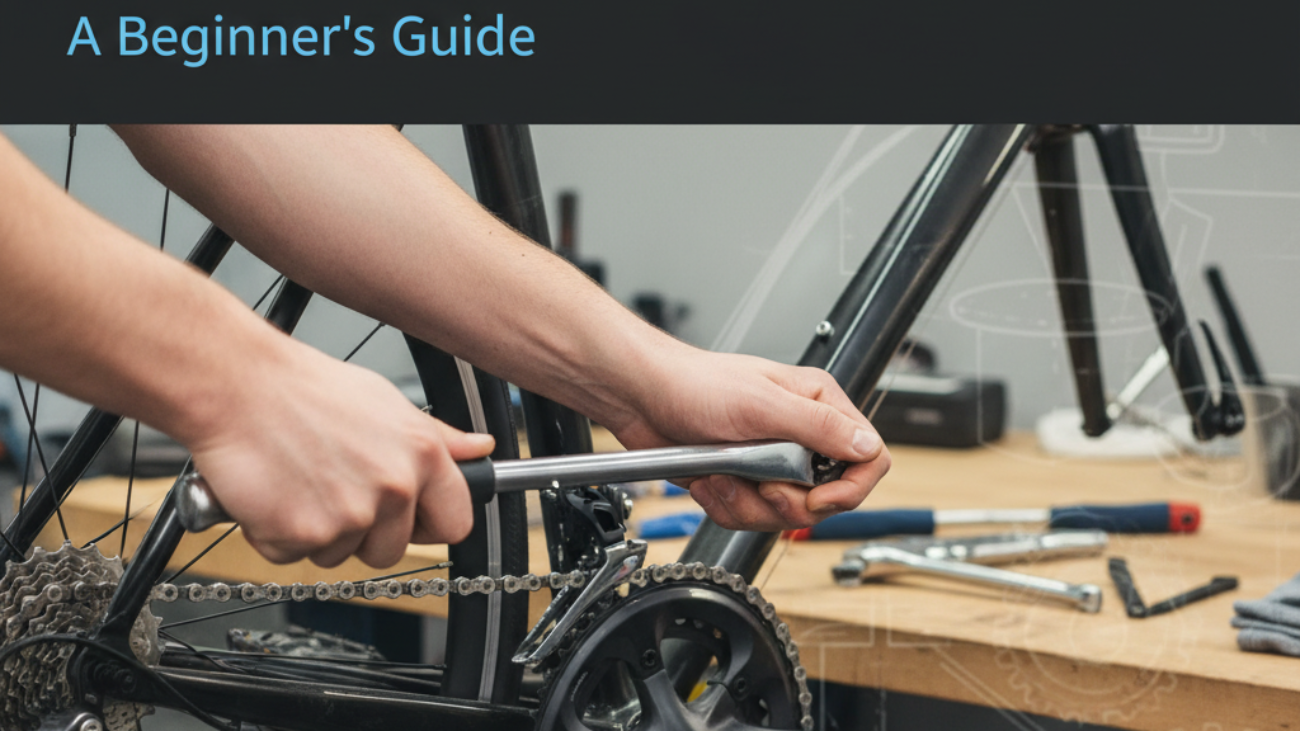
Quick Reference – Changing Bicycle Pedals at a Glance (2026 Checklist)
Essential Tools & Supplies for Pedal Replacement
- Pedal wrench (15mm) or Allen key (6-8mm, depending on pedal type)
- New bicycle pedals (make sure they fit your crankset)
- Grease (for pedal threads)
- Cleaning rag
- Bike stand (optional, but helpful)
- Gloves (optional, protects hands)
Fast Steps Overview for Beginners & Experienced Riders
- Gather all required tools and new pedals.
- Secure your bike so it won’t move.
- Remove the old pedals (remember left vs right thread).
- Clean and grease the pedal threads.
- Install and tighten the new pedals.
- Check pedal safety before your next ride.
Why and When to Change Pedals on a Bicycle (2026 Update)
Common Reasons for Pedal Replacement
- Worn-out or damaged pedals reduce safety and performance.
- Switching to a different pedal type (flat, clipless, etc.).
- Upgrading to new technology, like power meter pedals.
Signs Your Pedals Need Changing
- Visible cracks, bends, or loose bodies.
- Noisy or rough spinning when turned by hand.
- Difficulty clicking in or out (for clipless models).
- Pedal slips or fails to grip your shoe securely.
Choosing the Right Replacement Pedals for Your Bike
- Match pedal thread size (standard is 9/16 inch for adult bikes).
- Choose according to your riding style (commuting, racing, mountain biking, e-bikes).
- Consider eco-friendly materials or smart pedal features (2026 tech).
Preparing to Change Your Bike Pedals
Gathering the Right Tools (Traditional & New Tech, 2026)
- Check your current pedal type for the correct tool: pedal wrench or Allen key.
- Grease protects threads and eases installation/removal.
- Keep a rag to clean crank arms and pedal threads.
- Newer models may need a torque wrench to apply correct force.
Safety Tips and Injury Prevention
- Wear gloves to protect your skin from grease and scrapes.
- Always turn tools slowly to avoid slipping.
- Position your bike securely (on the ground or in a bike stand).
- Do not force stuck pedals; use proper technique or seek help.
Workspace Preparation and Bike Positioning
- Work in a clean, well-lit area to see clearly.
- Place your bike on a stable surface or in a repair stand.
- Shift your chain onto the big ring to protect your knuckles.
Step-by-Step Instructions: Removing Old Pedals
Understanding Pedal Thread Direction (Left vs Right, Illustrated)
- The right (drive-side) pedal loosens by turning counter-clockwise.
- The left (non-drive-side) pedal loosens by turning clockwise.
- This prevents pedals from unscrewing when riding.
How to Loosen and Remove Standard Pedals
- Place the tool (wrench or Allen key) on the pedal’s fitting point.
- For the right pedal: Turn the tool left (counter-clockwise) to loosen.
- For the left pedal: Turn the tool right (clockwise) to loosen.
- If it resists, position the crank horizontally for more leverage.
- Once loose, spin the pedal out by hand, keeping the tool steady.
Special Cases: Stuck or Seized Pedals (Troubleshooting Stuck Pedals)
- Apply penetrating oil to pedal threads and wait 10-15 minutes.
- Gently tap the pedal wrench with a rubber mallet for extra force.
- If stuck, seek help to avoid damaging the crank arm.
Tips for Avoiding Stripped Threads and Damaged Cranks
- Always use the correct tool and do not overtighten.
- Clean the threads before inserting a new pedal.
- If threads are stripped, stop and repair them before continuing.
Installing New Pedals: Complete How-To
Greasing Threads and Proper Torque (Modern Standards)
- Inspect new pedal axles for cleanliness.
- Apply a thin layer of bicycle grease to threaded parts.
- Grease helps prevent seizing and makes future removal easier.
Fitting Different Pedal Types (Flat, Clipless, Power Meter, 2026 Innovations)
- Check left (L) and right (R) markings—install on correct side only.
- With your fingers, start threading the pedal into the crank by hand.
- Always follow the correct thread direction for each side.
- For power meter or electronic pedals, follow the manufacturer’s wiring/charging instructions.
Ensuring Correct Tightening and Pedal Safety
- Use your tool to tighten the pedal firmly, but do not overtighten.
- Torque specifications (if provided) are usually 35-40Nm.
- Double-check the security of each pedal before riding.
Advanced Tips: Pedal Replacement for Experienced Cyclists
Upgrading to Performance or Smart Pedals (2026 Models)
- New smart pedals can measure power, cadence, or offer integrated lights.
- Check compatibility with your bike computer or e-bike system.
- Read installation instructions for any sensors or wireless modules.
Pedal Compatibility for Various Cranksets
- Most adult bikes use a universal 9/16 inch thread, but some youth and vintage bikes use 1/2 inch.
- Adapter kits are available for mismatched threads.
Fine-tuning for Racing and Long-Distance Touring
- Choose pedals with lower weight for racing.
- For touring, select models with wider platforms for comfort.
- Clipless systems offer efficiency but require proper cleat alignment.
Troubleshooting Common Pedal-Change Problems
What to Do If Pedals Won’t Budge
- Use longer tools for more leverage (carefully).
- Apply more oil and repeat after several minutes.
- Do not hit the crank directly; this may damage your bike.
Fixing Cross-Threaded or Stripped Pedal Threads
- Stop immediately to prevent further damage.
- Re-align the pedal and thread by hand first.
- Consult a bike shop if crank threads are damaged—thread repair kits are available.
Dealing with Unusual Noises After Installation
- Check if pedals are tightened fully.
- Remove and grease again if creaks continue.
- Inspect crank arms and pedal bearings for wear.
Specialized Guidelines and Safety for Multiple Pedal Systems
Changing Clipless Pedals (SPD, Look, and More)
- Unscrew clipless pedals similar to standard ones but check for cleat compatibility.
- Follow brand-specific steps for electronics or tension adjustment (2026 models may update procedures).
Swapping Platform and Hybrid Pedals
- Hybrid pedals can be installed on either side by matching thread and marking.
- Test both sides to ensure safe shoe retention and platform stability.
Power Meter and E-Bike Pedals: 2026 Safety and Installation Tips
- Read manufacturer’s electrical or Bluetooth setup guide before use.
- Secure cables and ensure all connections are dry and well-protected.
- Some e-bike pedals may require calibration—check with your dealer.
Eco-Friendly Pedal Disposal and Recycling (2026 Advice)
How to Recycle or Repurpose Old Pedals
- Metal pedals can often be recycled at local facilities (clean off grease first).
- Plastic or composite models may need special disposal—check your city’s recycling policies.
- Repurpose old pedals as wall hooks, garden tools, or creative crafts.
Sustainable Brands and Materials for Replacement Pedals
- Look for brands using recycled or responsibly sourced materials.
- Check 2026 product lines for recyclable packaging and carbon-neutral shipping options.
Visual Guide – Illustrations and Video Tutorials
Infographic: Left vs Right Pedal Threads Explained
- See infographic images showing thread direction for both sides (right = counter-clockwise off, left = clockwise off).
- Use online diagram resources if unsure—many brands post updated guides each year.
Step-by-Step Photos for Each Stage (2026 Demo Bikes)
- Follow high-resolution images showing every major step–from tool placement to final tightening.
- Look for visual highlights indicating correct thread engagement and installation completion.
Curated 2026 Video Resources from Industry Experts
- Access official YouTube content linked from leading bike brands.
- Find demonstration videos specific to your pedal type or bicycle model.
- Choose videos with slow-motion and close-up views for clarity.
FAQs: Changing Pedals on a Bicycle in 2026
- Q: Can I change pedals at home without special tools?
A: Yes, but a pedal wrench or suitable Allen key is needed. Proper tools prevent damage.
- Q: How tight should new pedals be?
A: Tighten snuggly, around 35-40Nm torque, but do not use excessive force.
- Q: What if my new pedals don’t fit?
A: Check thread size (most are 9/16 inch) or use an adapter if needed.
- Q: Is it safe to reuse old pedals?
A: Only if they show no signs of damage or wear.
References and Further Reading (Updated for 2026)
- Leading bike manufacturer manuals (Trek, Giant, Specialized, Shimano, SRAM, 2026 editions)
- Professional cycling websites and magazines (Bicycling.com, CyclingTips 2026)
- YouTube masterclasses on pedal installation and troubleshooting
- Environmental resources for bicycle recycling and sustainability