Introduction to Bike Tyre Sizes
Why Knowing Your Bike Tyre Size Matters
Understanding your bike tyre size is important for safety, comfort, and performance. The correct size ensures your tyre fits correctly on the rim, avoids accidents, and gives you the best ride experience. Buying the wrong size can damage your bike or make riding harder.
Common Sources of Confusion in Tyre Sizing
There are many ways to write tyre sizes, which can be confusing. Different regions and brands use their own systems. Sometimes, the same size is written in several formats or the numbers mean different things.
Step-by-Step: How to Read Tyre Size Markings on Your Bike
Finding the Size Markings on the Tyre Sidewall
- Look for numbers and letters on the side of your tyre (the sidewall).
- You may see several sets of numbers; focus on the biggest, boldest sequence.
- Clean the sidewall gently to make the numbers easier to read if dirty.
Decoding Typical Tyre Size Formats
Inch-Based Format (e.g., 29 x 2.25″)
This system is common on mountain bikes and some city bikes.
- The first number is the tyre’s outer diameter (in inches).
- The second number is the tyre’s width (in inches).
- Example: 29 x 2.25” means 29-inch diameter and 2.25-inch width.
French/Imperial Format (e.g., 700x25c, 27 x 1 1/4)
This format often appears on road bikes and hybrids.
- The first number is the tyre’s diameter (in millimeters or inches).
- The letter or extra numbers show width and rim style.
- Example: 700x25c means 700mm diameter and 25mm width.
- Example: 27 x 1 1/4 means 27-inch diameter, 1.25-inch width.
ISO/ETRTO Format (e.g., 25-622)
This is the most precise system and is now the global standard.
- The first number is tyre width (in millimeters).
- The second number is the bead seat diameter (rim diameter in mm).
- Example: 25-622 means 25mm width, 622mm bead seat diameter.
Reading Multiple Size Formats on One Tyre
Many tyres show two or even three formats together. For example, you may see “700x25c (25-622)”. This means the same tyre in two systems. Check both numbers if you replace tyres; shops may use different systems.
Bike Tyre Size Conversion Charts (2026 Update)
Modern and Legacy Tyre Size Chart (MTB, Road, Hybrid, Kids’ Bikes)
| Tyre Use | Inch Size | French Size | ISO/ETRTO |
|---|---|---|---|
| Road | 27 x 1 1/4 | 700x32C | 32-630 |
| Road | — | 700x25C | 25-622 |
| MTB | 26 x 2.10 | — | 54-559 |
| MTB | 29 x 2.20 | — | 56-622 |
| Kids | 20 x 1.75 | — | 47-406 |
ISO / Inch / French Cross-Reference Table
| ISO/ETRTO | Inch Size | French Size |
|---|---|---|
| 25-622 | 700 x 25C | 700x25C |
| 28-622 | 700 x 28C | 700x28C |
| 37-622 | 28 x 1 3/8 | 700x35C |
| 32-630 | 27 x 1 1/4 | 700B |
| 54-559 | 26 x 2.10 | 650B |
Quick-Reference for E-Bike and Fat Bike Tyre Sizes
- Most E-bikes: 700C or 27.5″ (ISO 622 or 584)
- Fat bikes: 26 x 4.0″ (ISO 559, wide width 100mm or more)
Understanding Tyre Size Impact on Bike Performance
Width and Diameter: How They Affect Ride Feel
- Wider tyres give more comfort and grip, great for off-road or rough roads.
- Narrow tyres roll faster and feel lighter, good for smooth roads and racing.
- Bigger diameter tyres roll over bumps more easily, but may feel less nimble.
Rim Compatibility and Frame Clearance Requirements
- Check rim size and width—tyre and rim must match in diameter (e.g., 622mm rim fits 700C tyre).
- Your frame and fork must have enough space for wider tyres.
- Too wide a tyre can rub or not fit at all.
Pressure Ranges for Different Tyre Sizes
- Narrow tyres: high pressure (80–120 psi)
- Wide tyres: lower pressure (30–60 psi)
- Always check the sidewall for recommended pressure range.
Special Considerations for E-Bikes, Tubeless, and Plus-Size Tyres
Sizing Tips for Electric Bikes
- E-bikes are heavier; use sturdy tyres and check maximum load rating on the tyre.
- Choose wider tyres for better grip and comfort.
Choosing Tyres for Tubeless Setups
- Only use “tubeless ready” tyres on compatible rims.
- Check both tyre width and rim width compatibility.
- Follow manufacturer’s instructions for pressure and sealant.
What to Know About Plus/Fat Bike Tyre Sizes
- Plus tyres: usually 2.8–3.25″ wide, use wider rims (35–45mm internal width).
- Fat bikes: 4.0″ or wider, use super-wide rims (50–100mm or more).
- Check your frame and fork to see what fits.
Visual Guide to Reading Tyre Sizes
Annotated Tyre Sidewall Photos
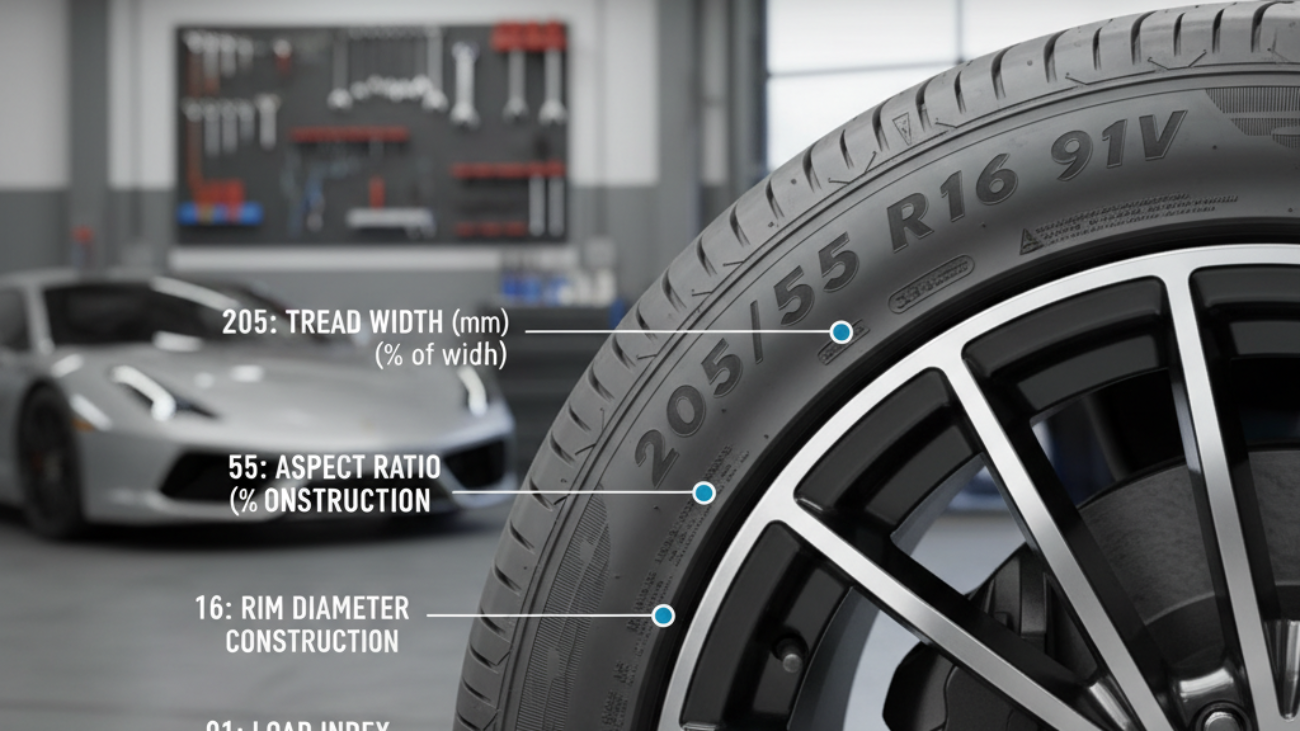
See below for classic examples of sidewall markings, with arrows pointing to the size codes. Look for bold numbers on a clean patch near the rim.
Example Diagrams for Each Size System
- Diagram 1: 700x25c French style, with diameter and width marked.
- Diagram 2: 25-622 ISO/ETRTO, with width and bead seat diameter clearly labeled.
- Diagram 3: 26 x 2.10 inch-based, diameter and width shown.
Comparison: MTB vs. Road vs. Gravel Tyre Sizing
- MTB: Wide, knobby tyres, sizes like 27.5×2.4” or 29×2.25”.
- Road: Narrow, smooth tyres, sizes like 700x25c or 700x28c.
- Gravel: Medium width with small treads, sizes 700x38c or 650x45b.
Interactive Tools and Resources
Tyre Size Calculator & Converter (2026)
Use online tools to convert between different size systems. Enter your current tyre size and get matching options in ISO, inch, or French formats.
Rim and Tyre Compatibility Checker
Some websites allow you to check which tyre widths fit your specific rim size, based on the ISO/ETRTO codes.
Downloadable Tyre Size PDF Charts
Many bike brands and cycling websites offer printable charts with tyres sizes, conversions, and recommendations. Download and keep one in your workshop.
Regional Variations and Sizing Standards Explained
UK vs US Tyre Size Markings
- The UK often uses imperial (inch-based) sizes, such as 26 x 1 3/8.
- The US mixes inch and ISO systems, depending on bike type.
- Always cross-check tyre markings and rim information if unsure.
EU ETRTO Compliance and Exceptions
- Most EU tyres follow ETRTO/ISO standards now, shown as “width-diameter” (e.g., 28-622).
- Some exceptions remain on older French bikes and rare sizes.
Frequently Asked Questions: How to Read Tyre Size on a Bike
- Can I use a slightly wider or narrower tyre?
Usually yes, but check rim width and frame space before changing size. - What if my tyre markings are rubbed off?
Measure the diameter and width, or check the rim for ISO/ETRTO size stamps. - Are rims marked with the same numbers as tyres?
No. Rim markings show only diameter and width. Always match tyre and rim diameter.
Further Reading and Latest Resources for 2026 Bike Tyre Sizing
- Look up your bike manufacturer’s manual for exact fit guides.
- Visit leading cycling sites and forums for the latest sizing updates and user advice.
- Check for new 2026 sizing charts and calculators released by popular tyre makers.