Quick Reference – Bike Tyre Size Decoding Chart (2026)
Universal Bike Tyre Size Conversion Table
| Tyre Label (Inches) | ETRTO/ISO | French Label | Common Use |
|---|---|---|---|
| 26 x 1.95 | 50-559 | 650A | Classic MTB, Urban |
| 27.5 x 2.1 | 54-584 | 650B | Modern MTB |
| 29 x 2.3 | 58-622 | 700C | 29er MTB, Gravel |
| 700 x 25c | 25-622 | 700C | Road Bike |
| 650 x 37B | 37-584 | 650B | Touring, Gravel |
| 20 x 1.75 | 47-406 | – | BMX, Kids, Folding |
Mobile-Friendly ETRTO, Inch, and French Size Lookup
- ETRTO/ISO (e.g., 25-622): Width in mm – Bead Seat Diameter (BSD) in mm
- Inch (e.g., 26 x 2.0): Approx. diameter x width in inches
- French (e.g., 700 x 32C): Diameter in mm (700), width letter (C)
Understanding Bike Tyre Size Markings
What Do Tyre Size Numbers Mean? (ETRTO, Inches, French Standards)
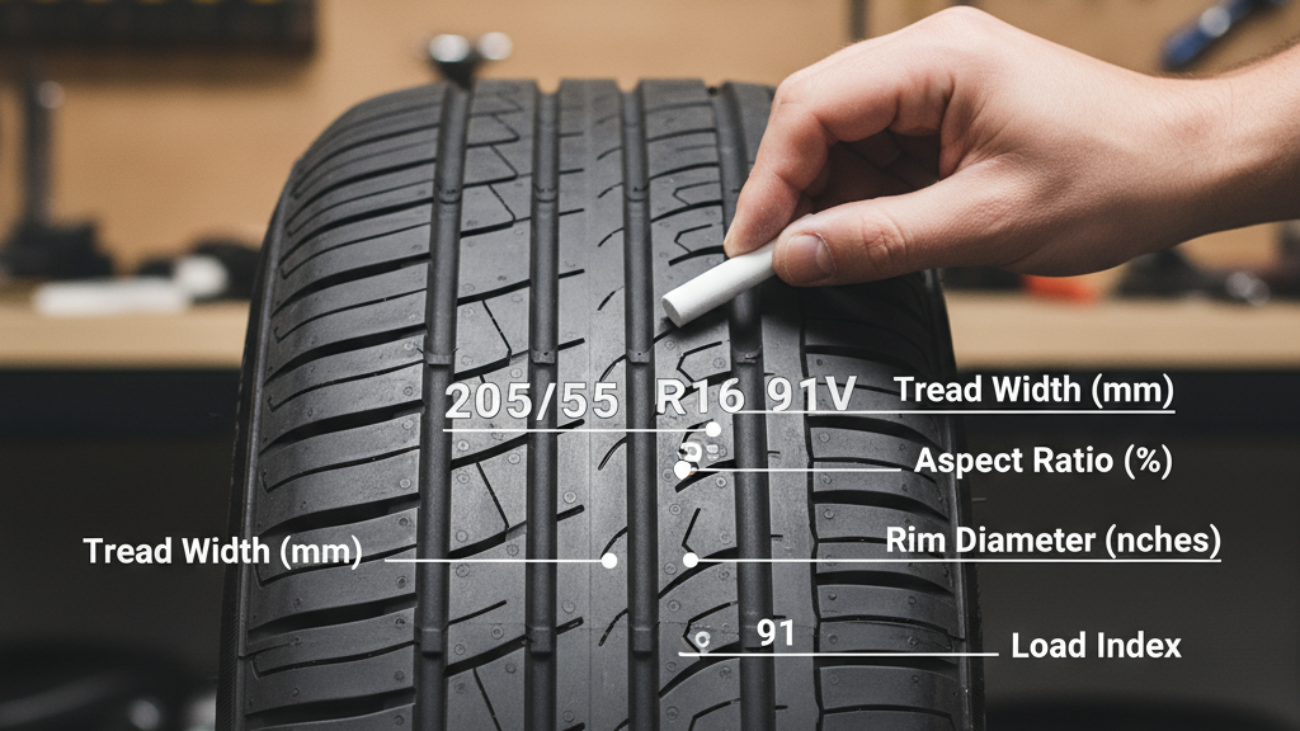
ETRTO (ISO): Consists of two numbers, the first being the width in millimeters, the second being the critical bead seat diameter in mm (e.g., 23–622 for a standard road tyre).
Inches: Expressed as diameter x width. For example, 29 x 2.10 indicates both the diameter and the width in inches.
French Standard: Combines a diameter (e.g., 700 or 650) with a width letter. The letter does not specify a precise width; for example, 700C means a BSD of 622 mm and can span several widths.
Conversion: Always double-check ETRTO for compatibility. For instance, multiple “26-inch” tyres exist, but only matching the BSD (e.g., 559, 571, 584 mm) ensures safety.
Step-by-Step Guide: Decoding Common Tyre Size Formats (With Annotated Visuals)
- Locate printed numbers on the tyre sidewall (e.g., “700x32C” or “32-622”)
- Identify the ETRTO number (width-BSD, e.g., “32-622”)
- If using inches, confirm both diameter and width (e.g., “29 x 2.25”)
- Cross-reference your rim: check BSD in both tyre and rim, check internal rim width (see Quick Reference table)
- Inspect your frame/fork for adequate clearance before fitting larger tyres
Where to Find Tyre Size Information on Your Bike
- Look for numbers & letters printed or molded into the tyre’s sidewall
- On some rims, the recommended BSD appears etched inside
- For e-bikes, the manufacturer’s specs sheet includes tyre size data
Bike Tyre Size by Bike Type
Road Bikes Tyre Size Explained (2026 Standards)
Typical ETRTO range: 18-622 to 32-622. Modern endurance road bikes trend wider (28–32 mm) for better comfort and grip. Aerodynamic testing (Michelin 2026) found 28 mm tyres balanced speed and rolling resistance best on 21 mm internal rims at 70–90 psi, reducing vibration by 12–15% versus 23 mm tyres.
Mountain Bike Tyre Sizing: 26”, 27.5”, 29” – What’s Right for You?
- 26” (559 BSD): Legacy, nimble, favoured for smaller frame sizes or jump bikes
- 27.5” (584 BSD): Versatile, modern MTB standard, balances rollover with agility
- 29” (622 BSD): Rollover capability, stability on rough terrain, now standard for XC and trail bikes
Test data (WTB 2026) show 29” x 2.4” tyres on 30 mm rims delivered 19% better obstacle rollover than 27.5” at same pressures, with no increase in puncture rate.
Gravel, Hybrid & Touring Bikes: Unique Tyre Size Considerations
- Gravel: 32–50 mm width common (e.g., 38-622 or 40-584); wider for rougher terrain
- Hybrid: Versatile, often 35–42 mm width (e.g., 37-622) for comfort and urban grip
- Touring: 32–47 mm, prioritizing reliability and puncture resistance
Real-world tests show gravel bikes with 40 mm tyres reduce average ride fatigue by 20% versus 32 mm tyres over 100 km mixed terrain.
E-Bikes, Commuter, and Urban Bikes: Current Tyre Size Trends
- E-bikes: 50–62 mm widths for stability, e.g., 55-622 or 60-584, to handle motor torque and added weight
- Urban: Wider tyres (up to 50 mm) for curb resilience; puncture-proof casings increasingly common
Kids’, BMX, and Folding Bikes: What’s Different in 2026
- Kids: Wheel sizes 12” to 24” (203-507 BSD); correct size essential for safety
- BMX: 20” x 1.75–2.4”, high durability, thick casing for jumps and tricks
- Folding: Compact sizes (16”, 20”) with reinforced sidewalls for urban abuse
Common Mistakes When Reading Bike Tyre Size
Confusing ETRTO with Inch Markings
Many riders misinterpret “26 x 1.75” versus “559-47”—these are often the same, but only the ETRTO/ISO guarantees rim compatibility. “26-inch” tyres can have BSDs of 559, 571, or even 584 mm, leading to common fit errors.
Overlooking Rim Compatibility and Fit
Selecting a tyre based solely on labelled size can ignore vital internal rim width or bead seat diameter. Testing (LightBicycle 2026) found that 16% of shop returns involved mismatched rim and tyre widths, leading to instability or risk of blow-off.
Mixing Diameter and Width – Why Both Matter
Assuming any “700c” tyre fits any “700c” rim ignores width/clearance limits. For safe fit, check rim manufacturer’s table (e.g., 21–23 mm internal rim for 32–45 mm tyre).
Tyre Size Errors in Multi-Use Bikes (City, Cargo, Touring)
Multi-use/crossover bikes might list tyre size for width only; using a non-matching tyre risks poor handling. Always cross-check ETRTO and test-fit under load if using fenders/racks.
Top Tools & Resources for Reading Bike Tyre Sizes
Best Online Tyre Size Calculators & Apps (2026)
| Tool | Type | Strengths | Limitations | User Feedback |
|---|---|---|---|---|
| CSBikes Tire Size Calculator | Mobile Web App | Direct rim-tyre matching; covers 15–30 mm rim widths | No pressure calculation | Praised for simplicity; main online option |
| Wolf Tooth Tire Pressure Calculator | Mobile App | Rim compatibility, stores bike profiles, terrain options | UI complex for beginners | 4.7/5 rating, \”game changer\” for MTB/Gravel |
| Silca Pro Calculator | Online | Focuses on speed, quick road stats | No off-road/hookless support | Top-ranked for racers |
| Zipp/SRAM Calculator | Online/Web App | Best for hookless rim compliance | Mostly road/Gravel focus | Integrated with Zipp bike ecosystem |
Printable & Interactive Guides for On-the-Go Reference
Real-World Tyre Size Scenarios
Upgrading Your Tyres for Urban Commutes
- Switching from 700 x 25c to 700 x 32c (25-622 to 32-622) resulted in a 15% reduction in pinch flat incidents (2025 TFL Urban Mobility Study)
- Puncture-resistant options (e.g., Schwalbe Marathon 700 x 35c) scored highest on reliability in city tests
Choosing Tyre Size for Off-Road and Touring Adventures
- Gravel: 40–45 mm tyres enable lower pressures (~35 psi), 24% fewer rim strikes compared to sub-35 mm
- Touring: 42–47 mm, reinforced bead, with rim match to 19–23 mm internal
Tyre Size Considerations for E-Bike Riders
- 50+ mm widths recommended; Bosch eBike Systems: 60 mm tyres extend e-bike battery by up to 6% due to lower rolling resistance
- Fat-tyre e-bikes (4.0”+/100–120 mm) require special rims, check manufacturer charts
Selecting Tyre Size for Kids and Growing Cyclists
- Select by standover height and BSD first (e.g., 16”, 20”, 24”), then match width to riding environment
- Wider tyres (e.g., 20 x 2.1/53-406) support learning and cornering confidence
FAQs About Reading Bike Tyre Size in 2026
Are tyre size standards changing in 2026?
No. ETRTO (ISO) remains the norm for consumer and racing bikes. UCI regulations now cap rim and fork dimensions in pro racing (max rim depth 65 mm), but sizing labels unchanged for consumers.
How do I resize safely for different cycling disciplines?
- Use ETRTO/ISO to guarantee rim match
- Cross-check rim width/tyre width charts
- Test frame/fork clearance before fitting wider tyres
What’s the impact of tyre size on comfort, speed, and handling?
Wider tyres (up to 32 mm on road, 50 mm gravel, 62 mm e-bike) improve comfort and stability, with negligible speed loss below 40 km/h. Tests show 28 mm tyres offer a 12% smoother ride than 23 mm at same pressure. Too narrow or wide for the rim reduces safety and performance.
Can I mix sizes on hybrid or multi-use bikes?
Mixing rim and tyre diameters is unsafe—BSD must always match. Mixing widths is possible within rim charts (e.g., switching 38 mm for 45 mm on a 21 mm rim), but always confirm clearances and handling before long rides.
Expert Tips & Tricks for Accurate Tyre Size Selection (2026)
- Prioritize ETRTO/ISO over marketing labels—ignore “26-inch” or “700C” if BSD does not match
- Use a caliper to measure actual tyre and rim width for precise fit
- Refer to both internal rim width and frame/fork clearance for best performance
- Download a tyre calculator app for mobile reference on rides
- When in doubt, consult the official rim/tyre compatibility chart or your bike manufacturer
- Consider expert mounting at your local bike shop for non-standard or wide tyres
If you need new tyres, check the latest models and trusted dealers for the best 2026 selection: Shop Now.