
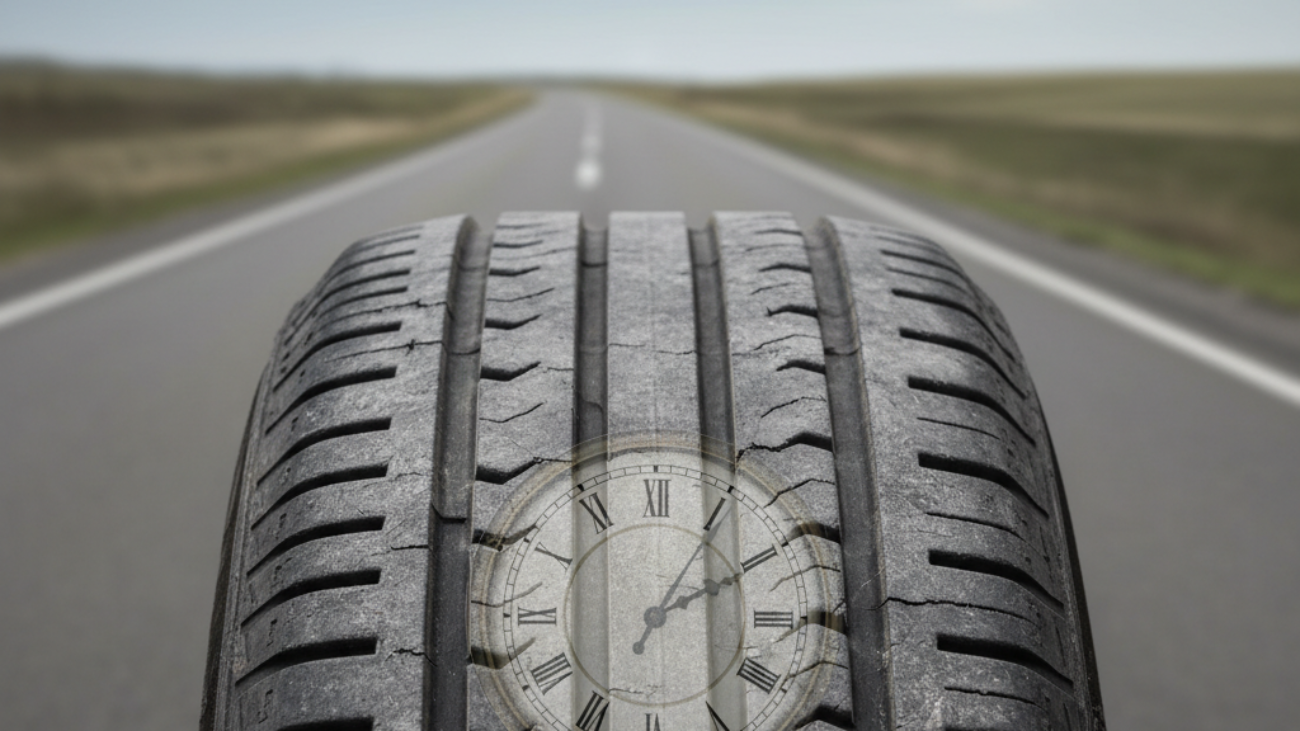
Quick Answer – How Long Do Bike Tyres Last by Type in 2026
Road Bike Tyres Lifespan
Road bike tyres last 1,500–4,000 miles (2,400–6,400 km) depending on tread, compound, and ride. High-performance models with softer rubber for grip wear fast, averaging 1,000–1,500 miles. More durable all-rounder models reach the higher end. Rear tyres typically wear 20–30% faster than fronts due to increased load and braking.
Mountain Bike Tyres Lifespan
MTB tyres wear rapidly on aggressive trails: typical lifespans are 1,000–3,000 miles (1,600–4,800 km), often less under rocky or muddy conditions. Soft-compound tyres for extra traction degrade faster under technical riding, while harder compounds and tubeless setups with sealant can nearly double lifetime on moderate terrain.
Gravel & Hybrid Tyres Lifespan
Gravel and hybrid bike tyres fall in-between: 2,000–4,500 miles (3,200–7,200 km) is common for mixed terrain use. Over-inflation can concentrate tread wear, especially on gravel patterns. Premium brands and puncture-resistant models consistently reach the upper mileage bands.
Touring & Commuter Tyres Lifespan
Touring and heavy commuter tyres are designed for high mileage and robust performance, ranging from 3,500–5,000 miles (5,600–8,000 km). E-bike tyres typically wear twice as quickly due to higher load and torque, so regular commuters should consider reinforced or e-specific models for longevity.
The Top 7 Factors Affecting How Long Bike Tyres Last
Rider Weight & Riding Style
Heavier riders and those with an aggressive style (hard braking, frequent skidding, or rapid cornering) significantly accelerate tyre wear. Climbing and descending create pressure points on tread, with rear tyres bearing most stress. Lighter, smoother riders see up to 40% greater lifespan.
Terrain Type (City, Off-road, Gravel, Wet Weather)
Rough, rocky surfaces and technical trails increase cuts and tread abrasion. Tarmac roads yield the longest lifespan, while urban debris and wet conditions raise puncture and wear risk. Off-road-specific tread wears faster on pavement, and vice versa.
Tyre Compound, Tread, and Casing Advances (2026 Update)
Softer compounds offer better grip but wear 30–40% faster than hard, puncture-resistant options. Advances like dual or triple compound layers, bead-to-bead protection, and recycled materials (e.g. Schwalbe Green Marathon with 80% recycled content) mean longer tread cycles and more resilient sidewalls. Modern casings with denser weaves resist pinch-flats and sidewall cuts, directly extending service intervals by up to 20% on average.
Climate & Storage Conditions
Exposure to heat, UV, or moisture causes rubber to harden and crack, reducing effective lifespan even if mileage is low. Michelin and other manufacturers recommend replacing any tyre after 10 years from manufacturing, with annual inspections after year one even for low-use tyres.
Tyre Pressure & Maintenance Routines
Running proper PSI (see manufacturer guide) reduces rolling resistance and prevents uneven wear. Under-inflation can cause pinch-flats and damage, while over-inflation accelerates centre tread erosion. Tubeless setups need monthly sealant checks/refresh for full sidewall protection.
Frequency & Type of Use (Commuting, Racing, Weekend Leisure)
Daily commuters and racers burn through tread faster than weekend recreational users. Racing compounds are thin for rolling speed and grip—these may not last even 1,500 miles. E-bikes’ added torque can halve tyre life compared to analog bikes.
Brand & Model Differences — 2026 Market Leaders
Lab and real-world tests (2026) reveal differences between market leaders. For instance, Pirelli’s Cinturato Velo wins best-in-class puncture protection and longevity for gravel and commuting. Michelin’s new City Shield lines offer 16% lower weight with reinforced protection. Schwalbe Green Marathon prioritizes eco-content with exceptional durability. View Vittoria’s official guide for model specifics.
New Tyre Technologies in 2026: Do They Really Last Longer?
Innovations in Puncture Protection & Tubeless Systems
Tubeless-ready tyres dominate 2026, combining low rolling resistance and puncture-proofing with new bead-to-bead protections. Pirelli’s P Zero Race and Cinturato lines, Michelin City Shield, and tubeless-only gravel/MTB models deliver longer intervals between flats and slower tread wear per independent test labs.
Sustainable & Recycled Tyre Materials
Schwalbe’s Green Marathon uses up to 80% recycled content and scores top real-world durability for commuters and tourers. Recycled rubber and carbon black show similar or better longevity with environmental benefits, backed by touring cyclists reporting “years, not months” on a single set.
Smart Tyres & Wear Indicators
2026 introduces onboard tyre pressure sensors (now common on gravel bikes) for instant PSI checks and alerts. Many new road and gravel models feature direct wear indicators—small holes or color bands in the tread—that signal when replacement is due, supplementing traditional inspection methods.
Pro Insights – How Experts Maximize Bike Tyre Lifespan
Professional Mechanic Tips
- Check and adjust tyre pressure before every ride. Use manufacturer’s PSI chart.
- Inspect for debris, glass, thorns, and sidewall cuts; remove foreign objects and seal small cuts with super glue.
- Rotate front/rear tyres mid-season; rear tyres generally wear twice as fast.
- For tubeless: refresh sealant monthly and avoid mixing sealant brands.
Commuter Testimonies
- Clean tyres after each ride to remove grit, which causes abrasion over time.
- Choose models with reinforced casings for urban debris and e-bike loads to cut down annual replacement rates by up to 35%.
Pro Rider Perspectives
- Racers tune PSI for balance between grip and speed according to terrain.
- Frequent, post-descent inspections are routine, especially in wet or rocky conditions.
- Rotate tyres every major event/training cycle to maintain optimal feel.
Top Signs You Need to Replace Your Bike Tyres
Visual Wear Indicators (Cracks, Baldness, Bulges)
- Flat or smooth tread, missing knobs, visible ridge along centerline (road), or down to wear indicator bands/holes.
- Cracked, brittle, or split rubber on tread or sidewalls; visible threads or fabric layers.
- Bubbles, bulges, or obvious deformities signal structural breakdown, often after impacts or as tyres age.
Handling & Safety Red Flags
- Slippery turning, poor grip, or frequent flats signal compromised tread or casing.
- Difficulty maintaining line or unexpected “squirm” in corners.
Age vs. Mileage: What Matters More in 2026?
In 2026, both mileage and age remain crucial. Leading brands (Michelin, Vittoria) recommend replacement 10 years after manufacture, regardless of use. For riders in hot, humid, or high UV areas, replace every 5–7 years even if tread looks acceptable. Storage conditions (cool, dry, and away from electrical sources) slow age-related deterioration, but annual checks are still advised.
FAQ – Everything Cyclists Ask About How Long Tyres Last
- Can I use a tyre older than 10 years if it looks good?
No. Rubber compounds age and can fail suddenly. Replace regardless of appearance after 10 years. - Why does my rear tyre wear out faster?
It bears more weight and handles all propulsion and most braking. - Are puncture-resistant and tubeless tyres worth the investment?
Tests show up to twice the lifespan and far fewer flats, especially for urban, gravel, and touring applications. - How should I store spare or off-season tyres?
Keep in a cool, dark, and dry space, away from engines, electric motors, and direct sunlight. Mark purchase and manufacture dates for tracking. - Do e-bike tyres last as long?
Generally, no—expect replacement at half the interval of normal bikes, so invest in e-specific, reinforced models.
References & Further Reading on Bike Tyre Longevity
- Michelin: How long do bike tyres last?
- Vittoria: How often should you replace bike tyres?
- CyclingNews: When to replace bike tyres
- WeLoveCycling: Maintenance and tyre replacement
- Bicycling.com: 2026 Tyre Tech Trends
- Victrip Ebike: Why 4 inch tires are industry standard (2026)
For up-to-date tyre recommendations and best deals, visit BikeRadar’s 2026 Buyers Guide. Ready to upgrade? Shop the best tyres here.