Quick Start — Brake Adjustment Essentials for All Bikes
Tools & Safety Gear Checklist
Bicycle brake adjustment is important for safety and smooth riding. Before you start, gather these items:
- Allen wrenches (hex keys)
- Screwdrivers (flat and Phillips)
- Bicycle tire levers
- Bicycle grease
- Cable cutter or strong scissors
- Clean rag or paper towel
- Bike stand or a way to prop up your bike
- Gloves and eye protection
Having the right tools helps you work safely and get the best results. Always double-check that your bike is stable before starting any adjustments.
Understanding Your Bike’s Brake System (Rim, Disc, Hydraulic, Electronic)
Bicycle brakes come in several types:
- Rim Brakes: Pads grip the wheel rim to slow down. Common on many bikes.
- Disc Brakes: Pads squeeze a metal disc (rotor) attached to the wheel. Can be mechanical (cable) or hydraulic (fluid-based).
- Hydraulic Brakes: Use brake fluid instead of cables for force. Smoother and more powerful.
- Electronic (Wireless) Brakes: Newest tech. Uses electric signals to control braking.
Each brake system has its own steps for adjustment. Knowing your system helps you follow the right process for safe and quiet riding.
How to Adjust Rim Brakes on a Bicycle
Step 1: Inspect Brake Pads and Wheels
- Check the brake pads. If they are worn out, cracked, or hard, replace them.
- Look at the rim. Clean it and check for dents or dirt.
- Spin the wheel. Make sure it spins straight and doesn’t wobble.
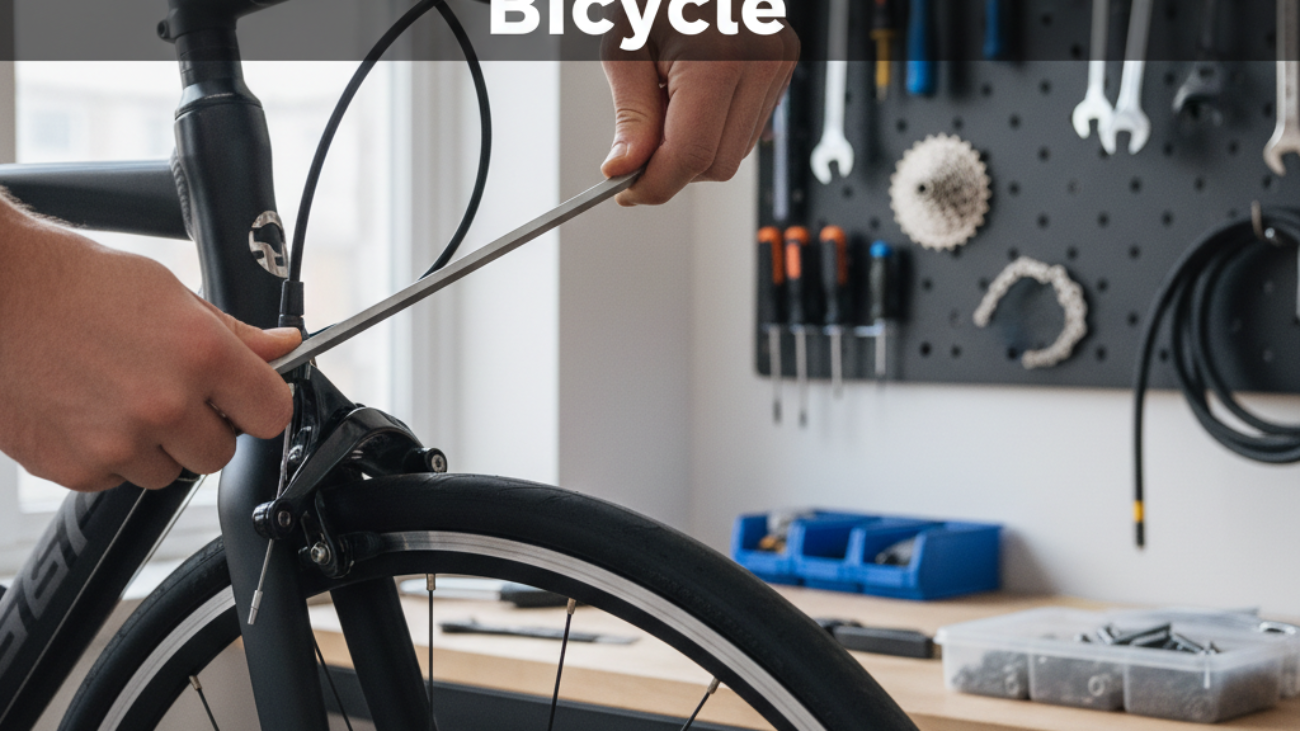
Step 2: Centering and Aligning Rim Brakes
- Loosen the mounting bolt holding the brake arms with an Allen wrench.
- Squeeze the brake lever to center the pads on the rim.
- Tighten the bolt while holding the lever to lock the brakes in place.
- Make sure both pads are equally spaced from the rim.
Step 3: Adjusting Cable Tension and Lever Feel
- Find the barrel adjuster on the brake lever or caliper.
- Turn it to increase or decrease tension until the pads squeeze the rim when you pull the lever but don’t drag when released.
- If needed, adjust the cable by loosening the anchor bolt, pulling the cable tight, and retightening the bolt.
- Test lever feel — it should be firm, with good stopping power.
Common Problems & Troubleshooting for Rim Brakes
- Brake squeal: Clean the rim and pad. Toe-in the pads (slight angle so front touches first).
- Weak braking: Pads may be worn, dirty, or misaligned. Adjust as above or replace pads.
- Pad rubs rim: Center the brake or true the wheel.
How to Adjust Disc Brakes on a Bicycle
Mechanical vs Hydraulic Disc Brakes Explained
Disc brakes use pads to grip a rotor. Mechanical disc brakes use a cable, like rim brakes. Hydraulic disc brakes use fluid in a hose, giving smoother and more powerful braking.
Step 1: Caliper Positioning and Pad Alignment
- Loosen the caliper mounting bolts with an Allen wrench.
- Squeeze the brake lever so the caliper grabs the rotor.
- While holding the lever, tighten the caliper bolts to center it over the rotor.
- Release the lever and spin the wheel. Pads should be close, but not rub.
Step 2: Setting Pad Clearance and Rotor Centering
- If pads rub, adjust each pad inward or outward (using adjustment knobs or bolts on mechanical disc brakes).
- For rotors that wobble, spin the wheel and gently true the rotor using a rotor truing tool.
Fine-Tuning Hydraulic Systems and Eliminating Rub
- Pump the brake lever to reset the pads if they feel soft.
- If rubbing continues, repeat caliper centering or check for stuck pistons (may need cleaning or a pro mechanic).
- Hydraulic systems may need a “bleed” (removing air bubbles) if brakes feel spongy—consult the manual or a bike shop.
Common Problems & Troubleshooting for Disc Brakes
- Constant brake noise: Clean rotor and pads. Check for oil or dirt.
- Weak power or spongy lever: Air in the line, needs bleeding, or pads are worn.
- Rotor rub: Re-center caliper and check rotor straightness.
Advanced Brake Adjustments for Modern Bikes (2026 Edition)
Electronic & Wireless Brake Systems: What’s New?
Electronic brakes use sensors and motors instead of cables or fluid. They provide fast and even braking, sometimes controlled with a button or wireless signals. Adjustments are done using the bike’s control menu or a linked app.
Integration with Smart Bike Technology
Modern smart bikes connect brakes to displays or phones via apps. You can check brake health, adjust brake sensitivity, and get warnings about worn parts. Some systems let you save brake feel preferences.
Adjusting for New Materials (Carbon, Composite)
Many 2026 bikes use carbon or composite wheels and frames. Always use pads made for carbon rims. Adjust brake pad pressure gently to avoid damaging these materials.
When to Seek Professional Help
- Brakes still weak after adjustment
- Fluid leaks in hydraulic systems
- Electronic systems show errors you cannot clear
- Strange noises or sudden brake failure
Never risk riding with faulty brakes. Bike shops have special tools for advanced repairs.
Visual Brake Adjustment Guide — Step-by-Step with Infographics
For each step above, use visual aids such as photos or diagrams. Most bike brands and repair websites offer free guides with step-by-step images. Search for “[Your brake type] adjustment infographic” for visuals that match your bike.
Expert Tips for Smooth, Quiet, and Responsive Brakes
- Clean braking surfaces (rims, rotors) with alcohol, not oil-based cleaners.
- Check adjustment every few weeks, especially after wet rides.
- Replace pads before they are completely worn.
- Store your bike indoors to prevent corrosion of braking parts.
- Test your brakes before every ride for quick, even response.
Troubleshooting: FAQs & Pro Solutions for Persistent Brake Issues
- Why does my brake squeak? Usually dirty pads or rims; clean and lightly sand pads.
- Why is my brake lever hard to pull? Sticky cables (rim/mechanical disc); clean or replace. Hydraulic — may need servicing.
- My brakes feel weak? Pads or rotors may be dirty, oily, or worn. Cables might be loose or there could be air in hydraulic lines.
- How often should I check my brakes? Inspect every month and before long rides, more often in bad weather.
- Can I upgrade my brakes myself? Basic upgrades are okay, but for electronic or hydraulic changes, go to a professional.
2026 Bike Brake Trends and Future-Proofing Your Repairs
- More bikes have wireless and electronic brake systems for quicker responses and self-adjustment features.
- Carbon brake parts are lighter and stronger but need proper pads and pressure management.
- Smart connectivity is standard on high-end bikes — regular app updates keep systems reliable.
When choosing parts or learning brake adjustment, pick gear that matches new tech. Stay informed by reading repair guides and following major bike brands.
Resources — Videos, Manuals, and Community Support for Bicycle Brake Adjustment
- Official brand websites for manuals and step-by-step guides
- YouTube channels: Park Tool, GCN Tech, and RJ The Bike Guy
- Bicycling Magazine: Online tutorials and expert tips
- Bike forums: Share issues and solutions with other riders (Reddit, BikeForums.net)
- Local bike shops: Offer clinics and advice for kids and adults
With the right information and a little practice, you can keep your bike’s brakes working perfectly for years to come. Safe riding starts with solid stopping power!