Essential Tools & Safety Precautions for Adjusting Bicycle Brakes
Tools Checklist (Printable/Downloadable)
- Allen wrenches (commonly 4mm, 5mm, 6mm)
- Phillips and flathead screwdrivers
- Cable cutters
- Bicycle stand or way to lift the wheel
- Pliers
- Bicycle-specific grease
- Paper towels or an old rag
- Latex or work gloves (optional)
Pre-Adjustment Inspection: Safety First
- Check that your bike is stable and will not tip over during repairs.
- Inspect brake cables or hoses for fraying or leaks.
- Look for worn or cracked brake pads—replace if needed.
- Test the brake lever for smooth movement before making changes.
Understanding Different Bicycle Brake Types: Rim, Disc, and Hydraulic
Identifying Your Brake System
- Rim Brakes: Pads press against the wheel rim (includes V-brakes and caliper brakes).
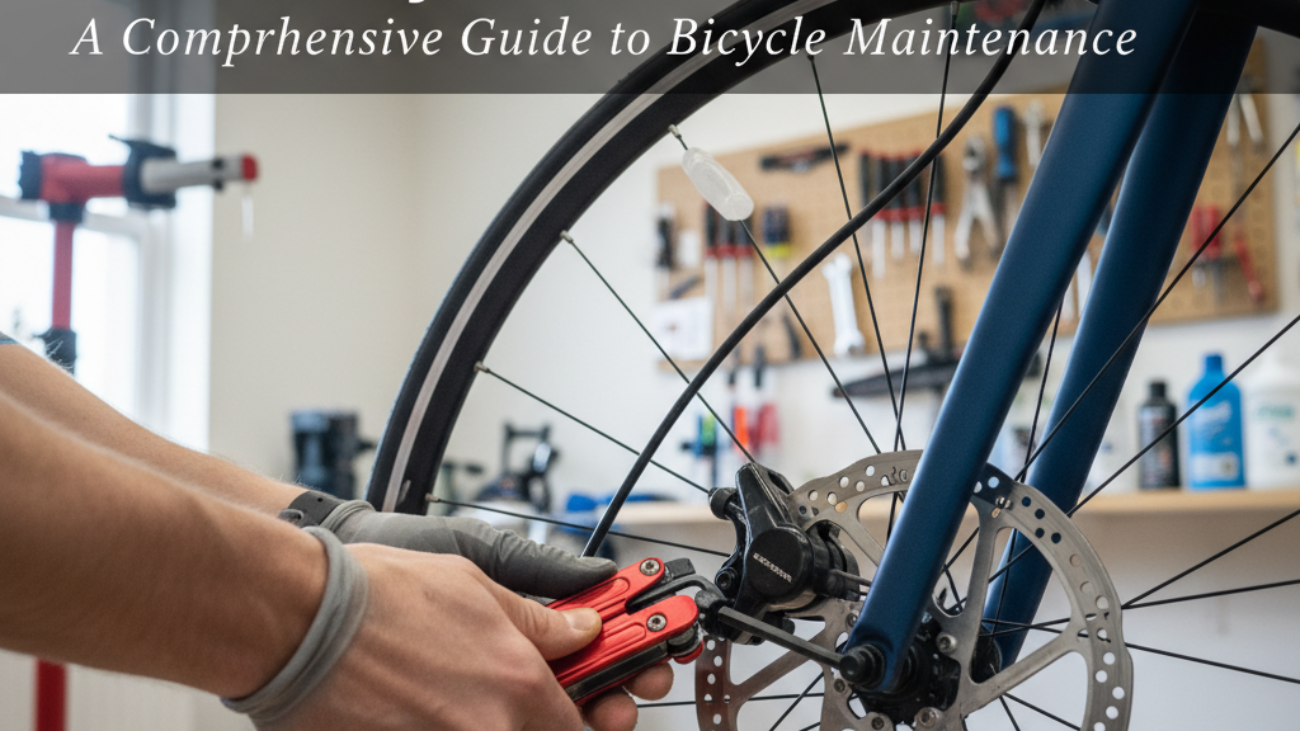
- Mechanical Disc Brakes: Pads clamp onto a disc (rotor), controlled by a cable.
- Hydraulic Disc Brakes: Pads clamp onto a rotor, but power comes from hydraulic fluid in hoses.
Key Differences in Adjustment Approaches
- Rim brakes adjustments use cable and pad alignment mainly.
- Mechanical disc brakes adjust with cables, dials, and caliper position.
- Hydraulic disc brakes may require fluid bleed and precise alignment.
Step-by-Step Guide: How to Adjust Rim Brakes (V-Brakes & Caliper Brakes)
1. Inspecting Pads and Cabling
- Spin the wheel and squeeze the brake lever. Pads should touch the rim evenly.
- If pads look thin (less than 2mm), replace them.
- Check cables for rust or damage. Replace if worn out.
2. Adjusting Cable Tension and Barrel Adjusters
- Locate the barrel adjuster near the brake lever or caliper.
- Turn the barrel, twisting out to tighten the cable and make brakes grab quicker.
- Twist in to loosen the cable for more lever movement before braking starts.
- If needed, loosen the cable anchor bolt, pull the cable tighter, and re-tighten the bolt.
3. Centering Calipers and Aligning Brake Pads
- Check if the caliper arms move equally when you apply brakes.
- If not, turn the centering screw (usually a small screw on either arm) to center.
- Align pads so they hit the rim flat, not the tire or slip underneath the rim.
- Tighten brake pad fixing bolts once aligned.
4. Fine-Tuning and Testing for Proper Contact
- Squeeze the brake lever. Pad should contact rim at same time, firmly but not stick.
- Spin wheel and ensure it turns freely when brakes are not applied.
- Make minor adjustments as needed with barrel adjuster or pad position.
Step-by-Step Guide: How to Adjust Mechanical Disc Brakes
1. Initial Check and Tools Required
- Check that the rotor is not bent and the pads have enough thickness.
- Gather Allen wrenches and a bike stand if possible.
2. Caliper Centering and Pad Positioning
- Loosen the two caliper mounting bolts just enough so the caliper can move side to side.
- Squeeze and hold the brake lever. This will auto-center the caliper over the rotor.
- Tighten the caliper bolts while the lever is still squeezed.
- Release the lever and spin the wheel. Pads should clear the rotor without rubbing.
3. Adjusting for Pad Wear: Knobs, Dials, and Cable Tension
- Locate pad adjustment dials or knobs (most mechanical disc brakes have one for each pad).
- Turn dials to bring pads closer if braking feels weak, or farther if they rub.
- If lever travel is too long, use the barrel adjuster or cable anchor bolt to remove slack.
4. Preventing Brake Rub and Squeal
- Ensure pads are not too close to the rotor.
- Clean rotor and pads with isopropyl alcohol to remove oil or dirt.
- If rub persists, repeat the centering process or inspect for a warped rotor.
Troubleshooting Advanced: Adjusting Hydraulic Disc Brakes (2026 Update)
Signs You Need Hydraulic Adjustment
- Lever feels spongy or comes to the handlebar without stopping the bike.
- Pads drag on the rotor even when lever is released.
- Brake power is much weaker than normal.
Stepwise Process: Lever Feel, Bleed, and Pad Reset
- Check for air in the hydraulic system (spongy lever). If found, perform a brake bleed (see your brake brand’s instructions).
- Push brake pads apart with a plastic tire lever or pad-spreader tool to reset them.
- Replace worn pads if less than 1mm thick.
- For advanced users, check for leaks along hoses or at the caliper/master cylinder.
Safety Tips and Common Hydraulic Issues
- Always use bike-specific hydraulic fluid.
- Do not squeeze the brake lever with the wheel removed.
- Wear gloves and safety glasses when bleeding brakes.
Pro Tips and Common Mistakes in Brake Adjustments
Mistakes to Avoid for Each Brake Type
- Don’t let rim brake pads contact the tire—they should hit only the rim.
- Do not overtighten caliper bolts—can warp frame or fork mounts.
- Don’t ignore squealing brakes—usually means contamination or misalignment.
- For hydraulic brakes, don’t mix different brands or types of brake fluid.
Sidebars: Pro Mechanic Insights for DIY Success
- Take photos of your setup before starting—helps you remember cable routing and pad position.
- Change one setting at a time, then test results.
- Keep a clean workspace to avoid losing bolts or small parts.
Diagnosing Poor Braking Performance: A Cause/Effect Table
| Problem |
Likely Cause |
Solution |
| Weak braking |
Pads worn or cable loose |
Replace pads, tighten cable |
| Brake rub |
Brake misaligned, warped rotor |
Re-center brake/caliper, true rotor |
| Squealing sound |
Dirty/contaminated pads or rim/rotor |
Clean with alcohol, sand lightly |
| Spongy lever (hydraulic) |
Air in system |
Bleed brakes |
Final Checks and Test Ride: Ensuring Proper Braking Power
At-Home Testing Checklist
- Lift and spin each wheel. Brakes should not rub when released.
- Stand next to the bike and squeeze each brake lever firmly—the bike should stop immediately.
- Check lever travel; it should not touch the handlebar fully even when squeezed hard.
On-the-Road Safety Assessment
- Find a quiet, flat area for your test ride.
- Gradually increase speed, apply each brake separately to test balance and stopping power.
- Ensure bike stops smoothly without sudden jerks or noises.
- If issues appear, recheck adjustments before riding longer distances.
Model-Specific Tips: Variations for Popular Bikes (Road, Mountain, Hybrid)
Brand/Model Quirks and Adjustment Challenges
- Road bikes: Usually have tighter frame clearances—precise pad alignment needed.
- Mountain bikes: More likely to use disc brakes and face mud/debris issues.
- Hybrid bikes: Could use any brake type. Check which system you have before starting.
Quick Reference Table
| Bike Type |
Common Brake Style |
Adjustment Tip |
| Road |
Caliper Rim |
Align pads precisely, check for rim wear |
| Mountain |
Disc (Mechanical/Hydraulic) |
Clean rotors, check for pad clearance |
| Hybrid |
V-Brake or Disc |
Inspect all cabling, adapt instructions as needed |
Visual Guide: Printable Infographics and Adjustment Posters
Step-by-Step Illustrations for Major Brake Types
- Refer to your bicycle’s manual or manufacturer website for diagrams if needed.
- Printable posters and infographics can be found online—display in your workshop for quick reference.
Quick Reference: Visual Troubleshooting
- Look for helpful posters showing where each adjustment is located on brakes.
- Use photos on your device if needed while working on your bike.
FAQ: Bicycle Brake Adjustment and Maintenance (2026 Edition)
- Q: How do you adjust brakes on a bicycle if they feel weak?
A: Tighten the cable, check pad thickness, or replace pads as needed.
- Q: What if my brakes squeal or make noise?
A: Clean pads and rim or rotor, and check for proper alignment.
- Q: Are all adjustments the same for rim, mechanical disc, and hydraulic brakes?
A: No. Each brake type has unique steps—follow specific instructions above for your system.
- Q: How often should brakes be checked?
A: Check before every ride, and do a full inspection monthly or after riding in bad weather.
Resources & Next Steps: Where to Learn More and Get Help
- Check your bicycle’s user manual for model-specific instructions.
- Many bike manufacturer websites offer video tutorials for brake adjustment.
- Bicycle shops offer workshops or repair classes—great for beginners.
- Online cycling communities can answer questions if you get stuck.
This guide has answered the key question: how do you adjust brakes on a bicycle? By following these clear steps—checking your brake type, gathering tools, and working through each adjustment—you’ll enjoy safer, smoother rides. Practice makes perfect, and each time you check or fix your brakes, you’ll build skill for life.