
Changing bike pedals is an essential skill for any cyclist. Whether you want to upgrade your pedals, switch pedal types, or just replace damaged ones, knowing how do you change pedals on a bike is valuable. This guide is designed for grade 9 learners. It covers every step so you can confidently maintain your bike. Let’s begin!
What You Need Before Changing Bike Pedals
The right preparation makes changing pedals easy and safe. Here’s what you should know before starting.
Essential Tools for Pedal Removal and Installation
- Pedal wrench (usually 15mm) or a suitable open-end wrench
- Allen key (typically 6mm or 8mm, depending on pedal type)
- Grease for threads (to prevent sticking and rust)
- Clean rag or paper towels (for wiping threads)
- Replacement pedals
- Optional: bike stand for stability
Identifying Right vs. Left Pedal Threads
- The right pedal (drivetrain side) has standard threads. Turn counterclockwise to remove.
- The left pedal (non-drivetrain side) has reverse (left-hand) threads. Turn clockwise to remove.
- Pedals are often marked “R” (right) and “L” (left). Check before installation.
Step-by-Step Instructions: How Do You Change Pedals on a Bike
Follow these clear steps to remove old pedals and install new ones safely.
Preparing Your Bike for Pedal Change
- Place your bike on a firm, level surface. A bike stand is helpful, but not required.
- Shift the chain onto the largest chainring to protect your hands from sharp teeth.
- Keep tools and parts nearby for easy access.
Safely Removing Old Pedals
- Identify which pedal is right and which is left. Look for “R” or “L” on the pedal spindle.
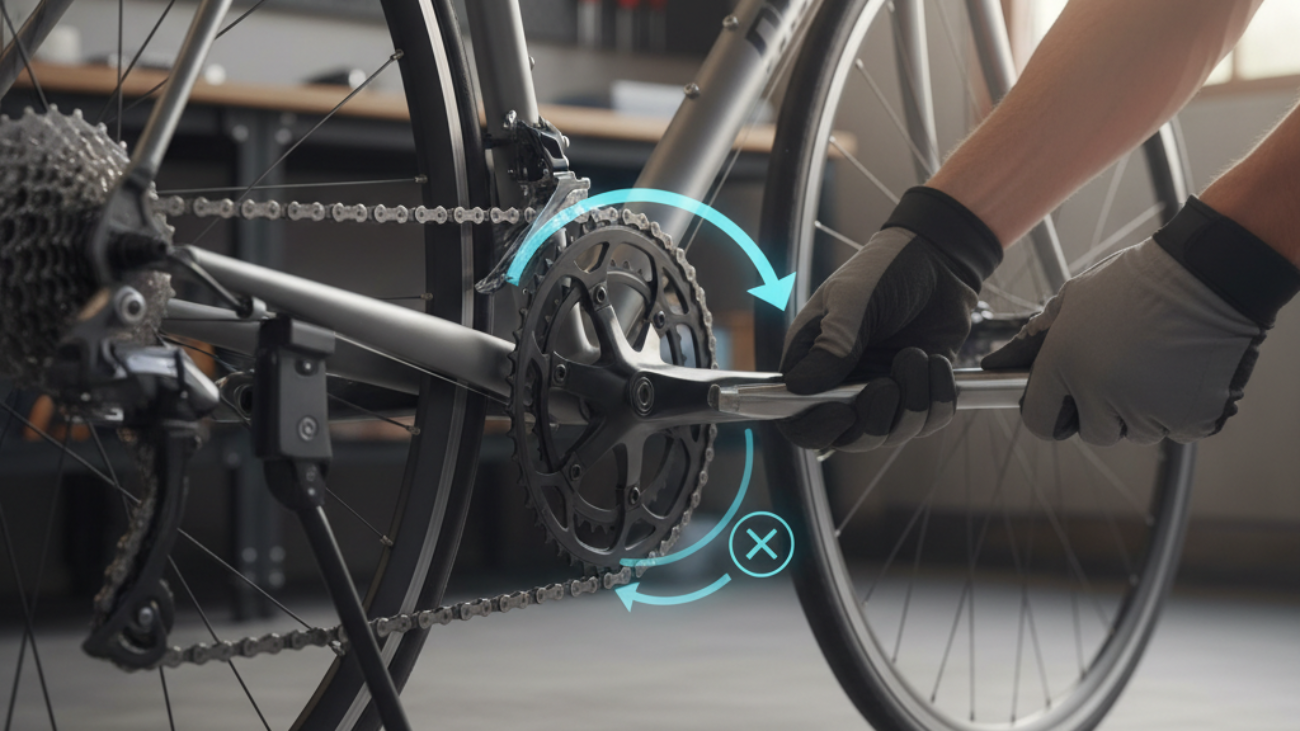
- Position the crank arm so it’s parallel to the ground for better leverage.
- For the right pedal: place the pedal wrench or Allen key onto the spindle, turn counterclockwise to loosen.
- For the left pedal: place the wrench or key, turn clockwise to loosen. Remember: left pedal = left-hand thread.
- If stuck, apply more force or a bit of penetrating oil. Try again.
- Once loose, unscrew by hand and remove the pedal from the crank arm.
Installing New Pedals Correctly
- Wipe crank threads with a rag to remove old grease and dirt.
- Apply a small amount of fresh grease on the pedal threads. This prevents rust and sticking.
- Start with the right pedal (marked “R”). Hand-thread it into the crank, turning clockwise. Do not cross-thread—if it’s hard to turn, back out and retry.
- Use the wrench or Allen key to tighten the right pedal until snug, but avoid overtightening.
- Install the left pedal (marked “L”). Hand-thread it into the non-drive crank arm, turning counterclockwise.
- Tighten with your tool until secure. Check both pedals for smooth turning but no side-to-side movement.
Tips for Different Bike Types: How Do You Change Pedals on Road, Mountain, and E-Bikes
Pedal replacement is similar for most bikes, but each type has unique points to keep in mind.
Road Bikes
- Lightweight cranks require gentle tightening—avoid over-torquing.
- Road pedals often use Allen keys from the crank arm side. Check which tool you need.
- Use pedal washers if included, for a secure fit.
Mountain Bikes
- Mountain bike pedals may need extra grease to resist mud and water.
- Some mountain pedals have wider platforms. Take care aligning them for easy starting.
- Double-check the tightness, as rough trails can loosen poorly installed pedals.
E-Bikes and Modern Pedal Systems (2026 Update)
- Some e-bikes have thicker crank arms for extra strength; use the correct length tool.
- Pay close attention to pedal thread direction. Special pedals may be required for certain motor systems.
- If your e-bike has torque sensors or electronic pedal parts, avoid pulling on wires or sensors when removing pedals.
- Modern pedal systems may include anti-theft bolts—consult your manual for unique removal steps.
Common Mistakes to Avoid When Changing Bike Pedals
- Mistaking left and right pedals; cross-threading damages cranks.
- Forgetting to grease threads; leads to seizing and rust.
- Overtightening; can strip threads or break the crankarm.
- Not tightening enough; pedals could come loose while riding.
- Using the wrong tools; results in stripped nuts or rounded bolts.
Troubleshooting: What If Bike Pedals Won’t Come Off or Install?
- If a pedal is stuck, apply penetrating oil to the threads. Wait a few minutes, then try again.
- Use a longer pedal wrench for more leverage if needed.
- If a pedal starts cross-threading, stop, back it out, and realign.
- Check for dirt or damage in crank threads. Clean threads before installing new pedals.
- If pedal threads or crank arms are damaged, ask a bike shop for help.
Safety Tips and Best Practices When Changing Pedals
- Wear gloves to protect your hands from sharp edges and grease.
- Work on a flat surface to avoid the bike tipping over.
- Do not rush. Take your time to align threads for a smooth result.
- Check pedals are tight, but not over-tightened, before your next ride.
- Inspect other parts (chain, crank, shoes) while working on pedals, for safety.
Frequently Asked Questions: How Do You Change Pedals on a Bike?
- Q: How often should I change pedals?
A: Replace pedals when damaged, or when upgrading. Check them at least once a year. - Q: Can I use any brand of pedals on my bike?
A: Most pedals use standard threads and fit all common bikes. Always check your crank arm for compatibility. - Q: Why is my pedal creaking?
A: This often means it’s loose or needs grease on the threads. - Q: What if my new pedal won’t fit?
A: Confirm you are not cross-threading. Check that left and right pedals are correctly matched. - Q: What’s the best way to keep pedals in good shape?
A: Clean them regularly, keep threads greased, and check for damage after rides.
Maintenance Tips After Pedal Replacement
- Recheck pedal tightness after your first ride. New pedals may settle slightly.
- Wipe off excess grease and dirt from crank arms and pedal area.
- Inspect pedals and crank arms regularly for wear, cracks, or loose parts.
- Relube pedal threads every few months, especially if riding in wet or muddy conditions.
- Test pedals for smooth spin and no side-to-side movement. If in doubt, remove, regrease, and reinstall.
Summary: Changing pedals is a simple skill that keeps your bike performing well and makes riding safer. Always follow the correct steps for how do you change pedals on a bike. Use the right tools, keep your threads clean and greased, and tighten everything by hand before riding. If you have problems, don’t hesitate to ask for help from an experienced rider or local bike shop. Now you know how do you change pedals on a bike and can take better care of your bike for every ride!