Understanding Bicycle Brakes in 2026: Types and Latest Technologies
Rim Brakes (V-Brake, Caliper, Cantilever)
Rim brakes work by pressing pads against the sides of the wheel rim. Common types include V-Brake, caliper, and cantilever brakes. They are lightweight and easy to maintain.
Mechanical and Hydraulic Disc Brakes
Disc brakes use pads that squeeze a metal rotor connected to the wheel. Mechanical disc brakes use cables, while hydraulic brakes use fluid for stronger stopping power.
Advanced Systems: ABS, Auto-Adjust, and Smart Brakes
Modern bikes may feature ABS (Anti-lock Braking System), automatic pad adjustment, and smart electronic controls for improved safety and performance.
E-Bike and IoT-Connected Brake Features
Electric bikes (e-bikes) can include smart brakes linked to apps. They may offer diagnostics, automatic adjustments, and even send alerts if there is a problem.
Tools and Safety Prep: What You Need Before Adjusting Your Bicycle Brakes
Tool Checklist for All Brake Types
- Allen wrenches (usually 4mm, 5mm, 6mm)
- Screwdrivers
- Cable cutters
- Tire levers and spare tubes (in case of accident removal)
- Bleed kit (for hydraulic brakes)
- Clean rags and alcohol wipes
- Replacement pads (if needed)
Personal and Environmental Safety Guidelines
- Wear gloves and eye protection
- Work in a safe, clean space
- Ensure your bike is stable, using a stand if possible
- Keep tools away from children and pets
Regional Regulations and Brake Standards (US, EU, etc.)
Check local laws: some countries require two working brakes on every bike. Using approved pads and fluids may be required in some regions.
How to Adjust Rim Brakes on Your Bicycle
Step 1: Inspecting for Wear and Pad Alignment
Check brake pads for grooves or thinning. Pads should hit the rim flat and not touch the tire or fall below the braking surface.
Step 2: Setting Cable Tension and Lever Feel
Loosen the cable pinch bolt. Gently pull the brake cable and re-tighten it, ensuring the lever pulls smoothly without touching the handlebar.
Step 3: Centering the Brake Calipers
Squeeze the brake and observe if both pads contact the rim at the same time. If not, use a screwdriver or Allen wrench to adjust centering screws.
Step 4: Pro Tips: Squeal Prevention and Fine Tuning
Clean rims and pads. Toe-in pads slightly (front part of pad touches rim first) to prevent squealing.
How to Adjust Mechanical Disc Brakes on Your Bicycle
Step 1: Positioning the Caliper and Pads
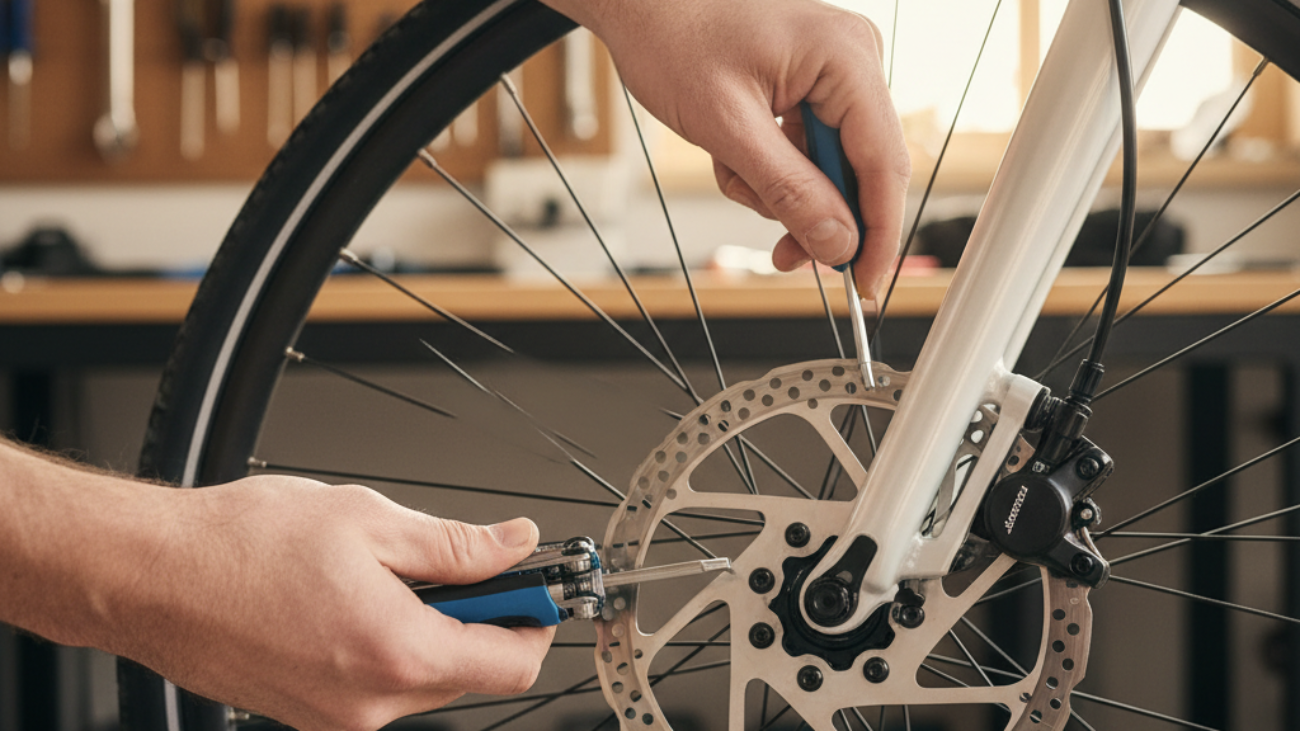
Loosen the mounting bolts, pull the brake lever, and re-tighten bolts while holding the lever. This centers the caliper over the rotor.
Step 2: Adjusting Cable Tension and Barrel Adjusters
Use barrel adjusters near the lever to fine-tune cable tension. Ensure the lever feels firm when pulled.
Step 3: Handling Pad Wear and Replacement
Remove the wheel. Slide out old pads and insert new ones. Check for even spacing and replace if worn unevenly.
Step 4: Common Issues and Troubleshooting
If you hear rubbing or squealing, re-center the caliper, clean the rotor, or check for bent rotors.
How to Adjust Hydraulic Disc Brakes on Your Bicycle
Step 1: Checking for Leaks and Pad Spacing
Inspect hoses and calipers for leaking fluid. Pads should sit evenly on both sides of the rotor, with a small gap on each side.
Step 2: Bleeding Brakes: When and How
If the lever feels spongy, air might be in the system. Use a bleed kit following your brake brand instructions.
Step 3: Fine-Tuning Lever Reach and Bite Point
Adjust reach and bite screws on the lever to make it comfortable for your hand size. Test while riding slowly.
Step 4: Troubleshooting Hydraulic Brake Problems
If you notice loss of power, noisy brakes, or sticky levers, check for leaks, pad wear, and proper rotor alignment.
Adjusting Advanced and Smart Brake Systems (2026)
Step 1: Auto-Adjust Feature Overview and Manual Overrides
Some brakes auto-adjust as pads wear, often controlled via an app. Check manufacturer settings and override manually if needed using the app or a supplied tool.
Step 2: ABS Settings and Calibration for Bikes
Use your bike app or onboard controls to adjust ABS sensitivity. Calibrate as instructed for smooth activation during strong braking.
Step 3: E-Bike Smart Brake Integration: Apps and Diagnostics
Connect your e-bike to its official app. Run diagnostics and follow prompts for adjusting or overriding smart brake settings if performance drops.
Brake Problems Diagnosed: Troubleshooting Chart and Common Fixes
| Problem | Possible Causes | Fixes |
|---|---|---|
| Squealing or Noisy Brakes | Dirty pads/rims, misaligned pads, oil on rotor | Clean parts, re-align, replace pads |
| Poor Braking Performance | Worn pads, loose cable, air in hydraulic | Replace pads, tighten cable, bleed brakes |
| Uneven Pad Wear or Rubbing | Misaligned caliper or pads, bent rotor | Re-center caliper/pads, true rotor |
| Connectivity Errors in Smart Systems | App or sensor fault, battery low | Check app, update firmware, charge battery |
Sustainable and Eco-Friendly Brake Maintenance in 2026
Choosing Green Replacement Pads and Fluids
Choose organic pads and biodegradable fluids. Avoid toxic materials whenever possible.
Minimizing Waste: Repair vs. Replace
Inspect brake parts regularly. Many parts can be serviced rather than replaced, reducing waste.
Cleaning Methods with Environmental Impact in Mind
Use water-based cleaners and minimize use of chemicals. Always dispose of fluids safely.
Visual Aids: Interactive Guides and AR Tools for Brake Adjustment
Using AR Apps for Brake Tune-Up (QR Codes/Links)
Many bike brands offer AR apps. Scan a QR code on your bike or check the maker’s website for step-by-step visual tips.
High-Resolution Photo Guide for Each Step
Compare your brake parts to clear photos online or in your bike manual to avoid mistakes.
Interactive Brake Type Comparison Chart
Use online charts to understand the pros and cons of each brake type before repair or upgrade.
Frequently Asked Questions: How to Adjust Brakes on a Bicycle
- How often should I check my brakes?
- Can I upgrade from rim to disc brakes easily?
- What should I do if my brakes feel soft?
- How do I know if my rotor is bent?
- Are smart brakes safe for beginners?
References and Further Reading (2026 Edition)
- Official service manuals from Shimano, SRAM, Magura, and Bosch
- Worldwide brake regulations (US DOT, EU EN-16054)
- Major cycling forums and instructional videos (check updated 2026 links)
- Environmental actions for parts recycling and eco-safe cleaning